Local Outdoor Experts Yellowknife
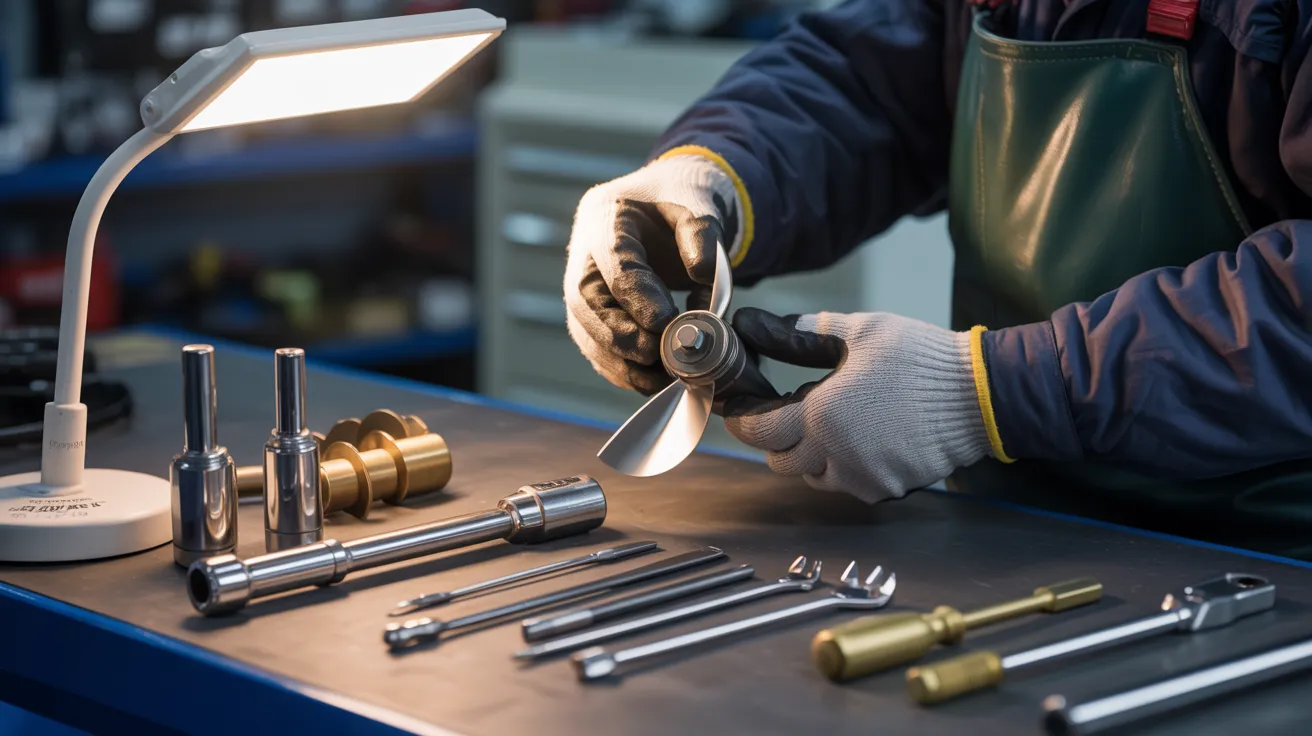
Operating with hard water near Yellowknife, you'll want to set up outboards as expedition kit: preheated block heaters, properly warmed and tested AGM batteries, heavy‑gauge leads, and relays with voltage sensing. You should match engine power to your vessel and load, choose props for maximum RPM under load, and implement cupped stainless wheels with guarded pickups for ice. Make sure to log fuel trims, swap impellers on schedule, and armor skegs. Keep handy PLB, spare parts, and filtered fuel. Stay consistent and you'll find proven modifications that deliver results.
Core Takeaways
- Experts in cold-climate boat motor configuration for Yellowknife: featuring thermal protection systems, cold-rated batteries, protected wiring systems, and thermostatic preheat systems.
- Specialized engine pairing and prop calibration for challenging weights, guaranteeing consistent planing and fuel-efficient operation in subzero conditions.
- Winter-ready modifications: reinforced skegs, guarded low-water pickups, stainless steel cupped propellers, and reinforced clutch dogs for ice impacts.
- Thorough service and testing featuring compression tests, impeller checks, anode servicing, clean fuel processing, and power system diagnostics.
- We put safety at the forefront with essential safety practices featuring strategic fuel reserves of 30-50% extra fuel, comprehensive route documentation, backup navigation using GPS and paper charts, and completely outfitted emergency gear for offshore journeys.
Northern Waters, Tough Machines
Across Great Slave Lake, weather shifts quickly, so you spec gear that handles freezing temperatures, choppy waters, and marathon trips. You opt for outboards with sealed harnesses, cold-rated ECU maps, and charging systems designed for freezing conditions. Arctic handling starts with reinforced motor supports, adaptive helm response, and props designed for weighted boats in strong winds. You'll prefer stainless wheels with curved surfaces for traction in cross-waves. For Ice navigation, you run strengthened keels and reinforced lower units with guarded water inlets.
Use block heaters for preheating, maintain synthetic 0W oil circulation, and ensure dry fuel with heated separator systems. Adjust to high idle when sleet hits, then fine-tune neutral position to plane quickly without bounce. Always carry backup impellers, replacement shear pins, and emergency de-icer spray.
Introducing the Skilled Team at Your Service
Enter through the service bay doors and you'll encounter techs who employ Great Slave Lake like a test bench. You'll observe laptops interface with ECUs while multimeters track voltage drops across corroded harnesses. The technicians will analyze injector pulses, record fuel-trim data, and verify repairs with back-to-back lake runs. Their diagnostic approaches prioritize root-cause isolation: compression, leak-down, spark quality, then fuel delivery, in that order.
You'll work with specialists educated in thorough mentorship programs. Juniors shadow veterans, torque wrenches in hand, mastering specifications through hands-on work. They carefully map drive systems, adjust drive assemblies, and align engine mounts to eliminate chatter. When cavitation scars show, they evaluate, restore, and tune. When instruments deviate, they calibrate, not guess. You depart confident each component, connection, and setting achieves perfect specification.
Essential Tips for Cold Weather Starting
When temperatures plummet below -30°C, starting your vehicle becomes a systematic process instead of luck. It's essential to warm up what you can and stage your tools for swift action. First verify proper battery management: ensure an AGM or lithium battery with appropriate cold-weather ratings properly warmed, completely powered, and load-tested. Install heavy-duty cables to limit voltage loss. Prime the fuel system by cycling the ignition; listen for the fuel pump maintaining consistent sound.
Configure choke settings according to engine type. With carbureted models, use full choke, make two measured pulls or a short crank, then move to half choke once it begins running. With EFI systems, no manual choke needed - implement fast-idle procedure as specified in your manual. Gently use the throttle to prevent over-fueling.
Utilize 0W synthetics within both crankcase and gearcase compartments. Verify proper fuel volatility and water separation characteristics. Allow the motor stabilize at a fast idle before engaging gear.
Choosing the Right Outboard for Long-Distance Trips
Begin by aligning your engine power with your hull specifications, load requirements, and water velocity for optimal propeller performance without lugging. Then calculate fuel usage during normal operation and fuel reserves while trolling to determine your safe operating range with additional margin for adverse conditions and detours. Pick an outboard motor that fulfills these operational needs, instead of choosing the most powerful choice.
Engine Power and Load Balance
Calibrate engine power to the total load you transport-comprising hull, crew, fuel, supplies, and contingency-so the powerplant planes efficiently and holds cruise momentum without strain. Begin with manufacturer power-to-weight guidelines, then factor in surplus margin for headwinds and choppy conditions. When deciding between options, opt for the bigger class; low power risks porpoising and slow planning times. Check wide-open throttle rpm with full payload; modify with suitable propeller options before blaming the motor. Decrease pitch to recover rpm, increase blade area for grip, and keep diameter within gearcase specifications. Implement load balancing to position the longitudinal center near designed trim; move dense items forward to reduce bow rise. Track speed vs. rpm and fuel rate to verify the engine performs in its efficiency spot at your regular cruise pace.
Fuel Range Planning
For offshore adventures, fuel capacity plays a vital role, and selecting the right outboard engine is crucial. Begin your calculations with practical operating speeds, not maximum throttle statistics. Monitor and document fuel consumption in liters per hour, vessel speed, tidal effects, and load factors; calculate distance per unit fuel, then validate with real-world trials. Four-stroke motors demonstrate superior economy at cruising rpm, while direct-injected two-strokes offer strong performance but require proper propping to avoid excessive fuel consumption. Set up your propeller to achieve manufacturer-recommended rpm with full expedition loads.
Establish fuel backup plans: preserve at least 30% extra fuel above the projected round-trip requirements, plus extra reserves for weather and current conditions. Distribute fuel volume across properly maintained, secure tanks; install a fuel selector to separate tainted fuel. Install a consumption meter and precise hourly journey records. Chart emergency landing zones and supply locations. If margins remain thin, reduce speed or adjust displacement.
Maintenance Strategies That Stand the Test of Time
Ensure your boat runs smoothly by adhering to a periodic maintenance plan: plugs, impeller, anodes, thermostat, gear oil, and torque checks. Monitor engine fluids with properly treated fuel, water separation, proper TC-W3 blend or specified 4-stroke oil, and consistent maintenance schedules. Prevent corrosion using protective compounds, anti-seize compounds on hardware, system cleaning with fresh water, fogging, and timely sacrificial anode maintenance.
Service Schedule by Season
During seasonal shifts on Great Slave Lake, a systematic service checklist keeps your outboard reliable, efficient, and ready for action. Commence with a pre-season assessment: verify throttle and shift cable operation, check steering play, secure engine-mount and transom bolts, verify kill switch and lanyard, confirm battery cranking amps under load, and examine harness connectors for corrosion. Examine prop blades for nicks, hub spline wear, and shaft runout. Evaluate belt wear and tension. Clean cooling passages, confirm telltale strength, and swap anodes if pitted.
Complete a winter end inspection: check electrical connections, test compression across cylinders, swap out impeller based on hours or annually, clean screens, and confirm thermostat function. Lubricate zerks, lubricate linkages, and inspect cowling seals and intake screens.
Oil and Fuel Maintenance
Approach fuel and oil upkeep like any other critical system: stabilize ethanol blends for storage, use fresh Top Tier fuel regularly, and remove stale gas from tanks, lines, and the VST to prevent damage to fuel injectors. Use a premium fuel stabilizer at each fill-up if the vessel might sit idle. Install the inline fuel filter at specified intervals; examine primer bulbs and clamps for leaks. Check rail pressure and injector performance if irregular idling occurs.
Align oil viscosity based on operating temperatures and manufacturer guidelines; cold weather operation with incorrect oil can harm unsuitable oil weights. Schedule oil and filter maintenance according to usage hours, not speculation-conduct periodic oil sampling to check wear metals and fuel contamination. Maintain clean crankcase breather passages. Track oil usage levels; unexpected consumption may signal gasket issues or ring damage. Record fuel supply, runtime hours, oil brands, and maintenance timing.
Anti-Corrosion Methods
While aluminum and stainless steel get most of the attention, it's all about chemistry: block oxygen, salt, and galvanic currents from damaging the setup. Always rinse all components from top to bottom using fresh water following every run; clear salt out of the telltale and trim rams. Dry completely, then coat external hardware with a corrosion inhibitor, being careful to miss the belts. Remove the cowling, check all ground connections, and apply dielectric grease on connectors-ensuring thin, complete coverage. Verify all bonding straps are secure.
Monitor sacrificial anodes on a monthly basis and install new ones when 50% gone. Select the proper alloy for your water conditions: zinc for saltwater, aluminum for mixed salinity, magnesium in fresh conditions. Never apply paint to anodes or isolate them with sealants. Apply anti-seize when securing stainless fittings to avoid seizing. Apply epoxy primer on any nicks. Keep tilted downward for water removal, remove negative battery connection, and isolate from shore power.
Upgrades and Accessories Built for the North
Since northern waters are harsh on inadequate equipment, you'll need to implement upgrades that harden your outboard and streamline winter ops. Initiate with cold-climate fuel management: adjust jets for dense air, install primer bulbs with winter-grade elastomers, and fit a choke linkage that won't ice. Safeguard electrical components with protected battery boxes, nautical-grade tinned wire, and weatherproof breakers; incorporate a voltage-sensing relay for split charging systems.
Fortify the lower unit with a heavy-duty stainless skeg guard, intake screens, and shock-rated clutch dog. Install a high-performance alternator and LED diagnostics to identify failing coils before breakdown. Select an automated block heater and rapid drainage systems for freeze-protected maintenance. Upgrade to high-performance bushings, silicone boots, and sub-zero grease. Finish the setup with protective intake plugs and a heavy-duty transom saver for rough-terrain operations.
Accounts From Experienced Anglers and Outdoor Specialists
You could mount every northern upgrade, but the results appear when you hit the water. You hear it in the engine sounds at dawn and feel it in the tiller when the blade cuts through. Guides say you judge a motor by how it holds plane with a full sled and how fast it restarts after getting thoroughly chilled.
Knowledgeable fishermen discuss torque curves and performance, not cosmetic details. You can expect fewer plug issues if you allow proper warm-up time, use ethanol-free fuel, and match your prop pitch to your load. Professional outfitters swap fuel mixture for seasonal conditions and rely on protected connectors that maintain integrity. In community gatherings, members exchange key metrics: performance numbers, fuel flow, and performance improvements. Experience shows that properly tuned systems with consistent firing, precise steering, and optimal rigging lead to more catches.
Important Safety, Fuel, and Navigation Information for Big Country
Upon encountering wetland and rock formations, follow a systematic approach not depending on intuition. Verify the weather forecast, waterway status, and available daylight. Chart your route using physical and digital maps, cross-referencing with aerial views for route planning. Document fuel storage spots and escape routes. Note down start time, group size, and projected completion time.
Estimate fuel consumption at operating RPM, and include a 30 to 50 percent reserve for weather challenges and route changes. Employ sanitized fuel jugs with moisture-removing funnels; clearly mark octane rating and date. Thoroughly inspect fuel lines, primer bulb, and ventilation. Always carry backup plugs, prop, pins, and a tool kit.
Navigate at planing trim, keep the prop engaged; avoid hazardous areas by watching seam lines and water color changes. In case of emergency, carry a PLB attached to your personal flotation device, VHF communication device, signal flares, emergency mirror, and safety whistle. Always file a float plan and set up routine checks.
Questions & Answers
Do You Provide Emergency Watercraft Repair Services Around Yellowknife?
Yes. We provide emergency boat repair support around Yellowknife. We send quick-response specialists with professional repair equipment, backup components, and website satellite connectivity. We conduct on-water diagnostics on-site, isolate fuel, ignition, or cooling faults, and carry out field repairs or stabilized tows. You get estimated arrival time, location monitoring, and post-repair testing. We service two-stroke and four-stroke outboards, EFI systems, and controls. Call with your location, engine details, issues, and current situation.
What Financing or Payment Plans Are Available for New Outboards?
You can choose Payment Plans with fixed APRs, term lengths ranging from 12-72 months, and Delayed Payment Options for 60-90 days, subject to qualification. Our organized system helps guide your payment journey. You'll need to apply with a credit check, document income, and select insurance extras: warranty extension, rust protection, propeller coverage. We accept major cards, ACH, and certified checks. You can pay off early without charges; APRs are determined by credit category.
Are Demo or Rental Outboards Available for Testing?
We allow you to book trial sessions with demonstration models prior to committing. You'll need to reserve a testing window and show your ID and insurance papers. We'll go through a pre-launch checklist including propeller pitch, installation height, control linkage, and fuel system preparation. During testing, we'll record speed and RPM readings, acceleration time, trim response, cavitation limits, and vibration levels at cruise. Post-test, we'll analyze ECU diagnostics, fuel burn rate per hour, and electrical output to optimize compatibility of the outboard to your boat.
What Are Expected Service Wait Times During Peak Season?
During peak season, expect turnaround times of 2-4 weeks. The extended timeline is primarily due to parts ordering times and available technician slots. Basic services generally take between 7 and 10 business days, however services such as diagnostics, carburetor rebuilds, or lower-unit seal replacements typically require 3-4 weeks. To minimize delays, schedule maintenance early, authorize parts procurement beforehand, and have your equipment details ready. While emergency repairs are possible, rush fees and priority queuing will apply. Stock backup components to prevent extended downtime.
Are Training and Certification Programs Available for New Boat Owners?
Absolutely - you can sign up for introductory courses and safety training designed for new boat owners. You'll master essential systems: mechanical, electrical, and fuel systems, with direct experience in vessel preparation, safety protocols, and emergency response. We'll practice berthing methods, power control, and prop choices. You'll understand chart reading, electronic navigation, marine radio protocols, and safety equipment requirements. Available certifications include operator certifications and safety certifications. You'll finish confident, checklist-oriented, and ready to operate your vessel safely.
Wrapping Up
You've seen how Yellowknife's mechanics manage brutal cold, how the perfect blend of prop, pitch, and ECU settings changes subzero starts into everyday launches. Now it's time for you to rig smart, conduct thorough testing, and operate smoothly. Pick displacement for payload, transmission settings for current, and upkeep timing for distance. In the North, the river acts as a forge: it tempers both machinery and operator alike. Pack redundancy, calculate fuel, observe weather, and you'll develop your own trustworthy, repeatable, ready-to-go setup.